
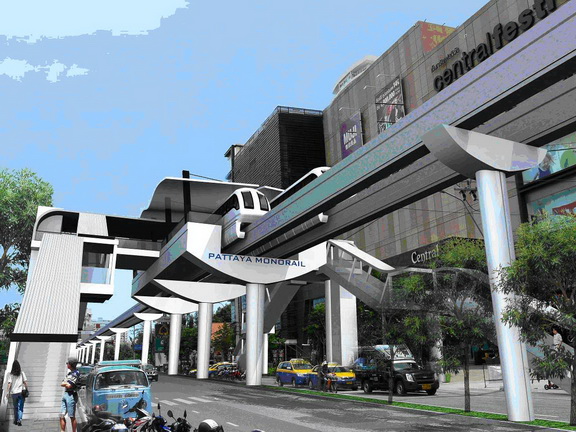
1 From Fishing Village to Global Destination: The Infrastructural Backbone
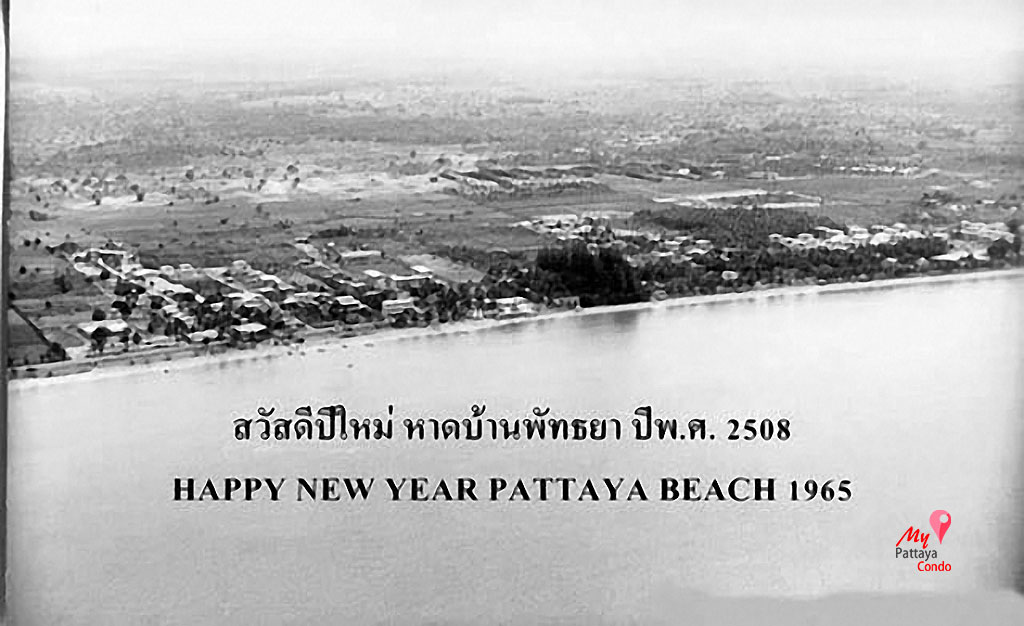
Pattaya’s evolution from a sleepy fishing village to one of Thailand’s most dynamic cities represents one of Southeast Asia’s most dramatic urban transformations. The city’s development has been fundamentally driven by strategic infrastructure investments that created accessibility and facilitated economic growth. This transformation began in earnest during the 1960s when the area first gained attention as an R&R destination for U.S. military personnel during the Vietnam War, setting the stage for its tourism-based development trajectory.
The transportation infrastructure has been particularly pivotal in Pattaya’s growth narrative. The expansion of Sukhumvit Road and the completion of the Bangkok-Chonburi-Pattaya Motorway drastically reduced travel time from the capital, making the coastal city easily accessible to both domestic and international visitors. In recent years, the development of the high-speed rail project linking Bangkok, Pattaya, and Rayong has further solidified the city’s position as an economic hub, promising to reduce travel time to approximately 45 minutes and effectively integrating Pattaya into the Bangkok metropolitan economic zone. Within the city itself, infrastructure improvements have included the gradual enhancement of public transport networks with electric-powered buses and ferry services connecting key destinations, reflecting a growing commitment to sustainable urban mobility.
2 Hospitality Landmarks and Expat Settlement Patterns
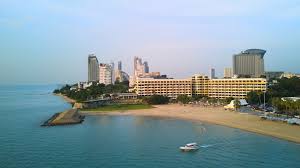
The internationalization of Pattaya’s hospitality sector began with the arrival of the Royal Cliff Beach Resort in the 1970s, which established new standards for luxury accommodation in the region. However, the true watershed moment came with the opening of the Dusit Thani Pattaya in 1987, representing the first internationally branded five-star hotel in the city and signaling to global tourism markets that Pattaya had arrived as a serious destination. Throughout the 1980s, Pattaya experienced a surge in international tourism, with resorts, hotels, and entertainment complexes proliferating along its coastline. This hospitality expansion was both a response to and a driver of Pattaya’s growing appeal to international visitors.
Concurrent with this tourism boom was the emergence of expatriate communities in Pattaya. While American military personnel had been the earliest foreign presence, the 1980s and 1990s saw increasing numbers of European retirees, particularly from Germany, Britain, and Scandinavia, drawn by Thailand’s affordable cost of living, tropical climate, and welcoming culture. The establishment of the Thai Condominium Act in the 1980s provided a legal framework for foreign property ownership, spurring expatriate investment in residential real estate. This legislation allowed foreigners to own condominium units outright, provided that foreign ownership in any single building did not exceed 49% of the total floor area. By the 2000s, Pattaya had developed into a significant expatriate hub with supporting infrastructure including international schools, hospitals with English-speaking staff, specialty grocery stores, and social organizations catering to foreign residents.
Table: Evolution of Pattaya’s Infrastructure and Economy
| Decade | Key Infrastructure Development | Economic/Tourism Impact |
|---|---|---|
| 1960s-1970s | Initial road connections to Bangkok | Arrival of first international tourists; R&R destination |
| 1980s | Expansion of Sukhumvit Road; hotel construction boom | International tourism surge; first expat property purchases |
| 1990s | Further road improvements; telecommunications expansion | Asian financial crisis impact; market correction and recovery |
| 2000s | Bangkok-Chonburi-Pattaya Motorway completion | Diversification into family tourism; MICE industry development |
| 2010s-Present | High-speed rail development; smart city initiatives | Integration with EEC; sustainable tourism focus |
3 Economic Evolution: A Comparative Analysis Through Inflation and Prices
3.1 Transportation Costs: From Prohibitive to Accessible
The cost of international travel to Thailand has undergone a dramatic transformation since the 1970s, fundamentally changing the accessibility of destinations like Pattaya. In the early 1970s, a flight from London to Bangkok represented a significant financial investment, often costing the equivalent of several months’ salary for the average British worker. Adjusted for inflation using Thailand’s consumer price index data (which shows an overall price increase of approximately 1,093.80% from 1960 to 2025), these historical prices reveal how air travel has evolved from a luxury to a mass-market commodity.
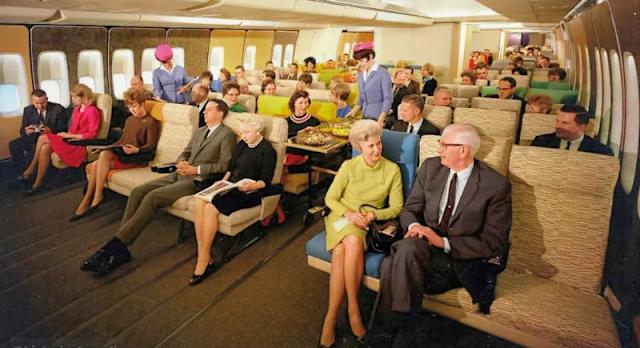
Today, budget airlines and increased competition have made flights from Europe to Thailand remarkably affordable, with promotional fares sometimes dipping below £400 return—a price that would have been unimaginable fifty years ago. This democratization of air travel has been perhaps the single most important factor in Pattaya’s transition from an exclusive destination to a mass tourism hotspot.
3.2 Real Estate Valuation: Condominium Market Evolution
The Pattaya real estate market has experienced extraordinary appreciation since the 1970s, though not without periods of volatility. In the early days of Pattaya’s development, basic one-bedroom accommodations near the beachfront could be purchased for what would today be considered nominal sums—equivalent to perhaps a few thousand U.S. dollars. The establishment of the Thai Condominium Act in the 1980s created a legal framework that spurred foreign investment, with prices beginning their upward trajectory. According to market analyses, Pattaya has experienced steady price growth over the past decade, with condominium prices increasing by an average of 5% annually between 2010 and 2019. Today, prices for a one-bedroom condominium in Pattaya vary dramatically by location and quality, ranging from approximately THB 1 million (USD 33,000) for basic units in less desirable areas to over THB 20 million (USD 650,000) for luxury beachfront properties with premium amenities. When compared to other Thai destinations, Pattaya remains relatively affordable, with average condominium prices approximately 38% lower per square meter than equivalent properties in Bangkok.
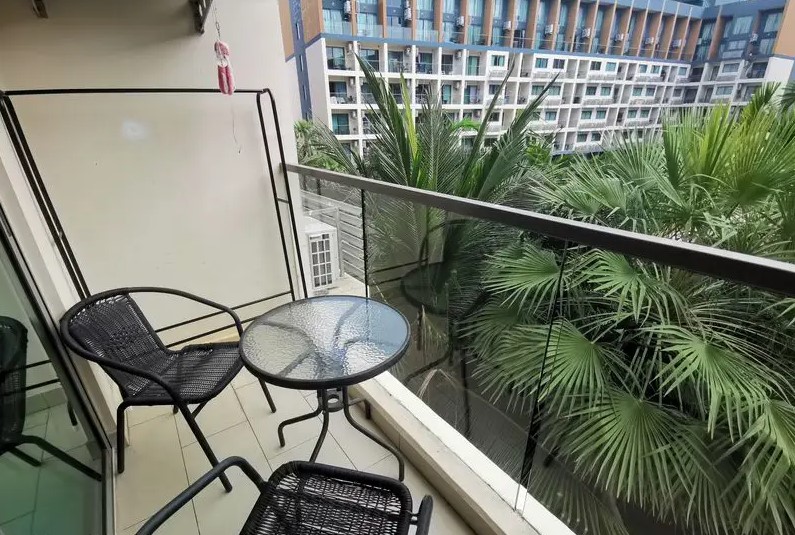
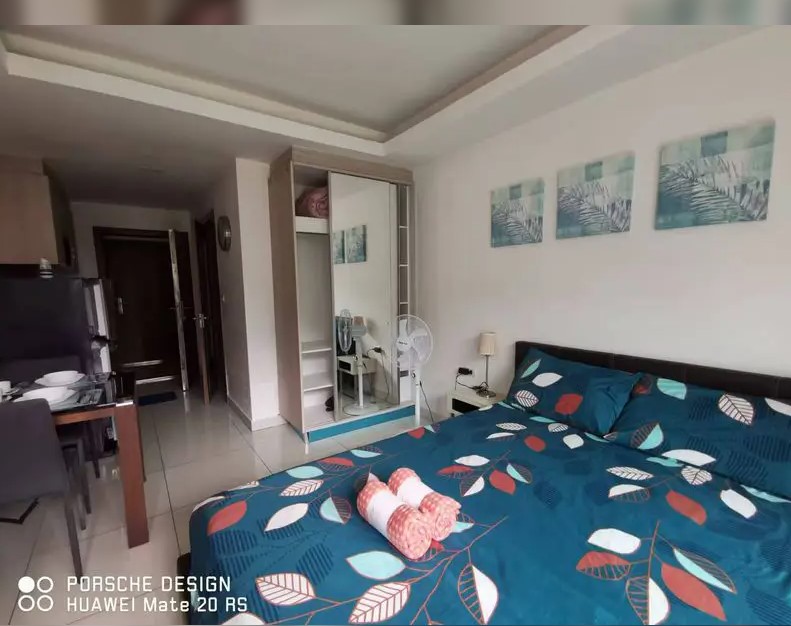
This Studio in Laguna 2 by Jomtien Beach for less than $50,000

3.3 Consumer Goods: The Chang Beer Yardstick
Using a small bottle of Chang beer as a consistent yardstick offers revealing insights into Thailand’s economic evolution and Pattaya’s development within it. In the 1970s, when Pattaya was first emerging as a tourist destination, a small bottle of local beer would have cost just a few baht—a trivial expense even by the standards of the day. Applying Thailand’s inflation data (with an average annual inflation rate of 4.0% from 1960 to 2024), the price of that same bottle has multiplied approximately twelve-fold. However, this price increase must be contextualized against wage growth and tourism spending patterns. While the nominal price has increased significantly, the relative affordability of such consumer goods has actually improved for international visitors due to favorable exchange rates and rising incomes in their home countries. This dynamic partially explains why Pattaya has maintained its appeal as a value destination despite overall price increases across the Thai economy.
4 The Digital Revolution: Mobile and Internet Transformations
The advent of mobile communication and internet technology has fundamentally reshaped Pattaya’s tourism economy and social fabric in ways that parallel its physical infrastructure development. In the early 1990s, communication for tourists and expatriates was cumbersome, relying on landline phones, fax machines, and physical mail. The proliferation of mobile phones in the late 1990s and early 2000s created immediate transformations in how tourism services were delivered—becoming essential tools for tour operators, taxi drivers, restaurant bookings, and emergency services. For the expatriate community, mobile technology facilitated easier integration, allowing seamless communication with both local services and family abroad.

The internet revolution that followed created even more profound changes. Early internet cafes along Beach Road and Walking Street became social hubs where tourists could inexpensively connect with home. As connectivity improved, Pattaya’s businesses rapidly established an online presence, with hotels implementing booking systems, restaurants showcasing their menus, and entertainment venues promoting their offerings to global audiences. For the real estate sector, the internet proved transformative, enabling virtual property tours, online legal consultations, and digital marketing to international buyers who could now research and initiate purchases without physically visiting Thailand. The emergence of digital nomad communities in the 2010s added a new dimension to Pattaya’s expatriate profile, with co-working spaces and high-speed internet becoming essential urban amenities. Social media platforms like Facebook, Instagram, and specialized travel forums have created virtual communities that sustain Pattaya’s global visibility between visits, while also amplifying both its attractions and its controversies.
5 The Next Half-Century: Projections and Strategic Developments
Looking forward, Pattaya’s development trajectory appears focused on sustainable modernization and economic diversification. The city’s integration into the Eastern Economic Corridor (EEC) initiative positions it as a crucial component of Thailand’s advanced development zone, attracting investments in high-tech industries, innovation, and next-generation tourism. Infrastructure developments will continue to shape this evolution, with the high-speed rail connection to Bangkok expected to be operational within the decade, potentially making Pattaya a commuter suburb of the capital while simultaneously enhancing its accessibility for tourists. Urban planning is increasingly emphasizing smart city technologies and eco-friendly design, with projects to revitalize Pattaya Beach and improve water quality already underway.
The real estate market is projected to experience continued growth, with some forecasts suggesting Pattaya could see property price increases of up to 35% over the coming decade. This growth will be supported by several factors: the city’s established reputation among international buyers, its relative affordability compared to other Thai destinations, and its improving infrastructure and amenities. However, this growth will likely be accompanied by increasing market segmentation, with premium properties in prime locations appreciating more rapidly than basic accommodations in secondary areas.
Tourism is expected to continue diversifying beyond the traditional nightlife image, with growing emphasis on family attractions, cultural experiences, health and wellness tourism, and the MICE (Meetings, Incentives, Conferences, and Exhibitions) sector. Environmental sustainability will become an increasingly important consideration, with green building standards, renewable energy integration, and coastal conservation measures likely to shape development approvals and consumer preferences.
Table: Future Development Predictions for Pattaya
| Development Area | Projected Changes (Next 50 Years) | Potential Impact |
|---|---|---|
| Transportation | Completion of high-speed rail; expanded electric public transit; possible regional airport upgrades | Enhanced connectivity with Bangkok; reduced congestion; increased day-trip tourism |
| Urban Form | Continued vertical development; expansion along motorway corridors; green space integration | More diverse housing options; urban sprawl management challenges; improved quality of life |
| Economy | Diversification beyond tourism into tech, healthcare, and education within EEC framework | Reduced seasonal economic volatility; broader employment opportunities; increased professional expatriates |
| Real Estate | 30-35% price appreciation over coming decade; increased foreign ownership in regulated framework | Affordability challenges for locals; continued investor interest; more sophisticated property management |
| Environment | Beach restoration projects; water quality improvements; renewable energy adoption | Enhanced natural attractions; climate change resilience; sustainable tourism appeal |
Pattaya stands at a fascinating juncture in its development narrative—simultaneously grappling with its reputation as a mass tourism destination while pursuing transformation into a modern, sustainable, and diversified city. Its history demonstrates remarkable adaptive resilience, having evolved from fishing village to R&R destination, then to mass tourism hub, and now to a city positioning itself for the knowledge economy.
The infrastructure investments that first made Pattaya accessible continue to shape its future, with digital connectivity now complementing physical transportation networks. For expatriates and investors, the city offers a compelling case study in emerging market urban development, with all its attendant opportunities and challenges. As climate change, technological disruption, and shifting global travel patterns create new uncertainties, Pattaya’s ability to reinvent itself while capitalizing on its established strengths will determine whether it thrives in its next half-century of development. The city that emerged from a fishing village to capture the world’s imagination now faces the more complex challenge of sustainable maturation while preserving the vibrant character that made it distinctive.
Have a chat with our aging boss at PRE he was here when the Romans came, honest! and what he knows about pattaya is worth listening to.