

Introduction: Seeing Past the Noise
In the age of social media influencers armed with selfie sticks and hot takes, Pattaya’s reputation has become a digital battleground. Online narratives often paint a picture of overwhelming bureaucracy, skyrocketing costs, and an unwelcoming environment for foreigners. These stories—usually crafted by short-term visitors or content creators chasing clicks—rarely reflect the reality experienced by the thousands of expats who call Pattaya home long-term. The truth is, Pattaya remains one of Southeast Asia’s most affordable and safer coastal cities with a supportive expat community and a straightforward visa process that’s comparable to—if not simpler than—many Western countries’ immigration systems. This article cuts through the digital noise to reveal what living in Pattaya is really like, drawing on official data, long-term resident experiences, and factual cost analysis.
The Visa Process: Separating Fact from Fiction
The “Impossible” Bureaucracy Myth
One of the most persistent online complaints suggests Thailand’s visa system is deliberately obstructive and unnecessarily complex. The reality is far more reasonable. Thailand offers multiple clear pathways for different types of long-term stays, each with transparent requirements. The Thai government’s approach is better understood as responsible screening rather than exclusion. Long-term expats in Pattaya actually support sensible screening measures, recognizing they help maintain community safety and quality of life.
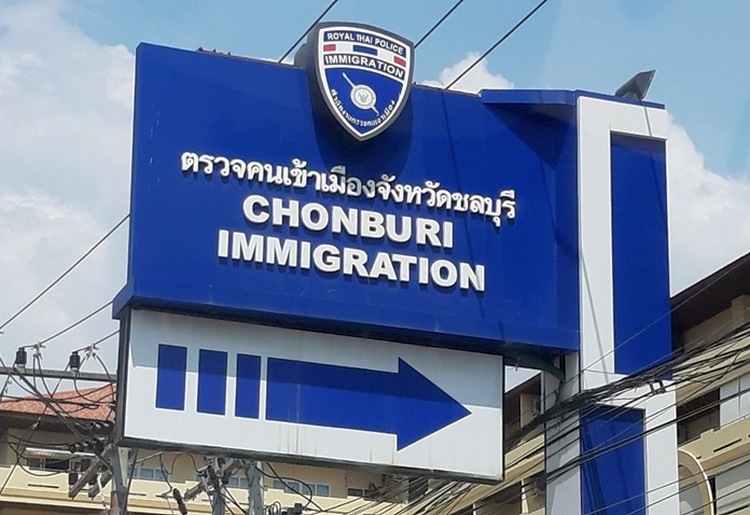
Thailand vs. Western Immigration: A Reality Check
Critics often overlook how Thailand’s immigration process compares favorably to Western systems. Consider the retirement visa options: Thailand offers both the O-A visa (1-year renewable) and the O-X visa (5-year) specifically for retirees aged 50+. Requirements are straightforward: proof of pension or savings, health insurance, and a clean criminal record. Contrast this with the complex points systems, income thresholds, and lengthy processing times many Western countries impose. For instance, a Thai national seeking to retire in the UK would face significantly more stringent financial requirements and a less predictable process. Thailand’s system is not only manageable but increasingly diverse, with newer options like the Long-Term Resident (LTR) visa for professionals, retirees, and wealthy individuals offering 10-year validity, and the Destination Thailand Visa (DTV) catering specifically to digital nomads and those engaging with Thai soft power activities.
Practical Visa Pathways for Pattaya Expats
For those considering Pattaya, several visa options align with different lifestyles:
The Real Cost of Living in Pattaya 2025
Housing: Your Biggest Expense, But Still Affordable
Contrary to claims of unaffordability, Pattaya offers exceptional value in accommodation. The city’s real estate market provides options for every budget, from budget studios to luxury sea-view condominiums. According to 2025 data, the median price per square meter for condos in Pattaya is approximately ฿70,623, with entry-level properties available from ฿1.5 million. Rental yields remain strong at around 7.2% gross, reflecting the city’s continued appeal to both residents and investors.
Table: Monthly Rental Ranges in Pattaya (2025)
| Property Type | Location/Standard | Monthly Rent (THB) |
|---|---|---|
| Studio/Small Condo | Basic, away from beachfront | 6,000 – 15,000 |
| 1-Bedroom Condo | Central Pattaya, good building | 12,000 – 30,000 |
| 2-Bedroom/Luxury Condo | Sea-view, premium amenities | 35,000 – 80,000+ |
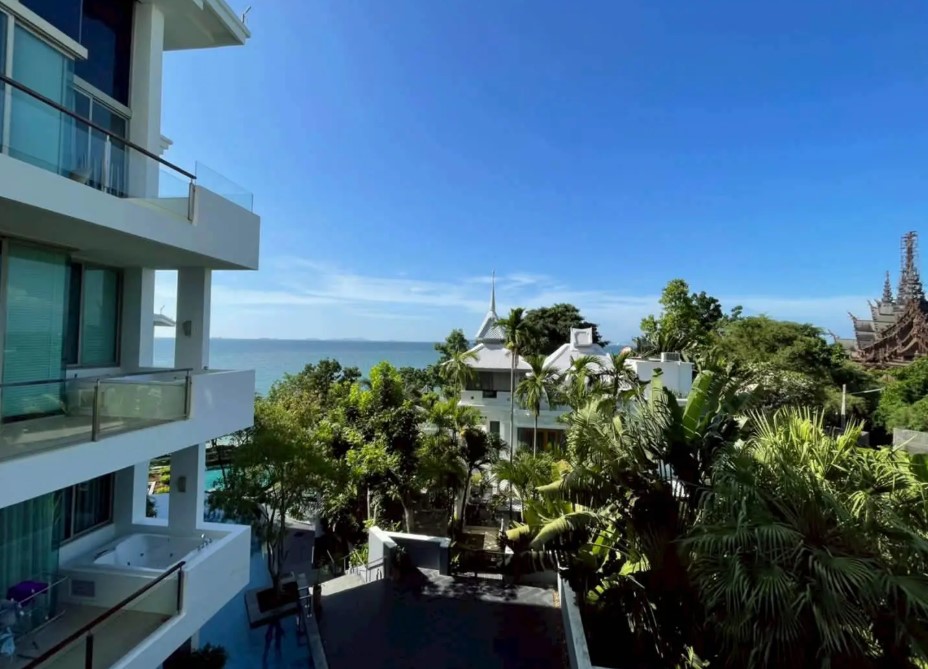
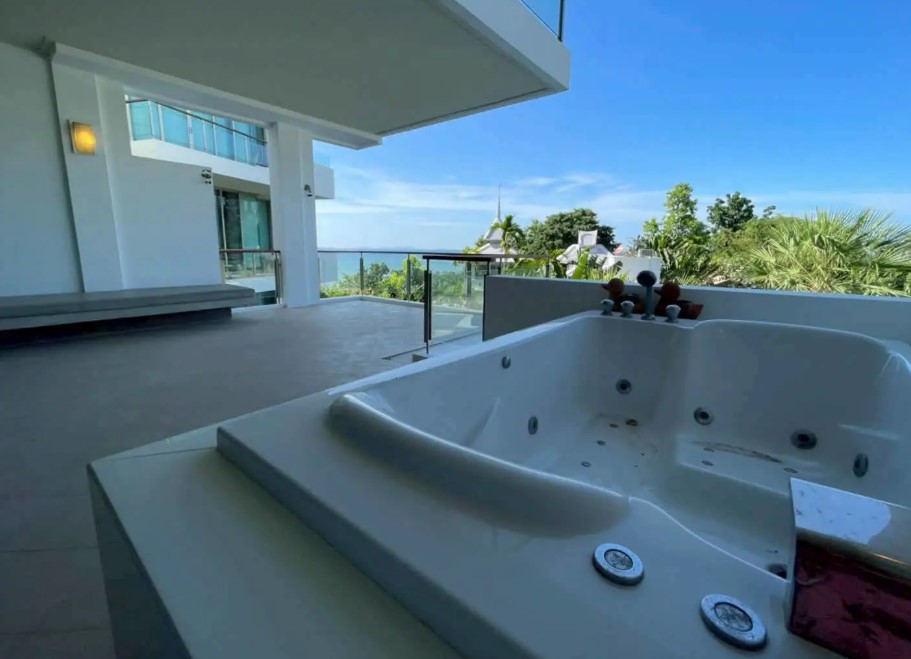
Like this luxury condo with gym , pool, sauna and gardens for less than half a Million USD

Daily Expenses: How Far Your Money Really Goes
Pattaya’s daily living costs continue to represent exceptional value compared to Western countries and even other Thai tourist destinations. A comprehensive 2025 analysis reveals that a single person can live comfortably (excluding accommodation) for approximately ฿22,000-24,000 monthly. This affordability extends across all essentials:
- Food & Dining: Street food meals cost ฿40-120, while a week’s groceries from local markets typically runs ฿1,000-2,000.
- Transportation: Songthaews (shared pickups) charge as little as ฿10-20 per trip, with monthly transport budgets averaging ฿1,500-6,000.
- Utilities: Electricity, water, and internet typically total ฿2,000-5,000 monthly.
- Healthcare: Private clinic consultations range ฿500-1,500, with comprehensive insurance costing ฿20,000-60,000 annually.

Budgeting Realistically: Three Lifestyle Tiers
Understanding Pattaya’s cost structure helps debunk the “everything’s getting expensive” narrative. Actual budgets fall into three clear tiers:
- Budget-Conscious (฿15,000-25,000/month): Covers basic studio, local food, and public transport—perfect for retirees on fixed incomes or digital nomads.
- Mid-Range Comfort (฿30,000-60,000/month): Allows proper one-bedroom condo, mixed local/international dining, and private healthcare—where most long-term expats settle.
- Luxury Lifestyle (฿70,000+/month): Includes sea-view properties, fine dining, premium healthcare, and resort-style amenities.
Quality of Life: Safety, Community, and Well-being
Safety in Perspective
Online sensationalism often exaggerates safety concerns. While Pattaya—like any city—requires common sense precautions, violent crime against foreigners remains relatively rare. The U.S. State Department notes most incidents are crimes of opportunity (pickpocketing, bag-snatching) rather than targeted violence. The city has implemented improved police presence and security measures in recent years. Long-term expats emphasize that personal responsibility—avoiding poorly lit areas late at night, not flashing valuables, and using licensed transportation—goes far in ensuring safety.

Healthcare Excellence at Affordable Rates
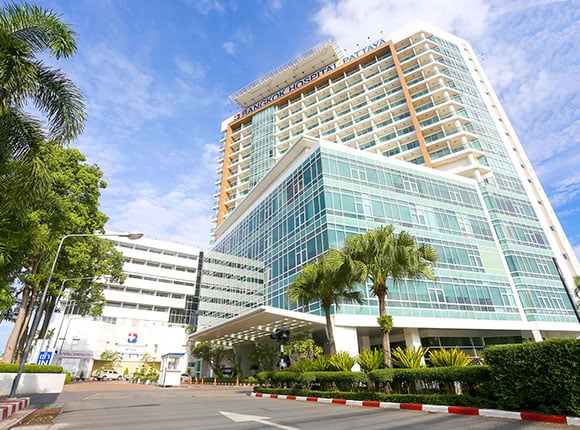
Thailand’s healthcare system represents one of the country’s most compelling advantages. Pattaya offers internationally accredited hospitals with English-speaking staff and modern equipment at a fraction of Western costs. While public clinics provide basic care, most expats utilize private facilities for their efficiency and comfort. A general practitioner consultation costs ฿500-1,500, with more complex procedures still significantly cheaper than equivalent Western treatments. Many expats maintain international health insurance while using local facilities for routine care, creating an optimal balance of coverage and affordability.
The Evolving Expat Community
Far from the transient tourist crowds, Pattaya hosts a mature, established expat community with diverse social circles. The city has transformed significantly over the past two decades, developing family-friendly neighborhoods, international schools, and cultural attractions alongside its famous beaches. Areas like Jomtien offer quieter, more residential environments, while Central Pattaya provides urban convenience. This diversification means expats can find communities aligned with their interests—whether golf, water sports, volunteer work, or arts and culture.
Navigating the Property Market as a Foreigner
Understanding Ownership Options
Thailand’s property laws, while different from Western systems, provide clear pathways for foreign ownership. The most straightforward option is condominium freehold ownership, where foreigners can own up to 49% of a building’s total unit space. For houses and land, common approaches include:
- Long-term leaseholds (typically 30 years, renewable)
- Thai company structures (with specific legal requirements)
- Thai spouse ownership (with proper documentation)
Reputable agencies like Pattaya Realty (operating since 2001) specialize in guiding foreigners through these processes.
Investment Potential in Pattaya Real Estate
Beyond personal residence, Pattaya’s property market offers solid investment opportunities. The city’s continued growth, tourism recovery, and infrastructure developments support property appreciation. Rental demand remains strong from both tourists and growing numbers of long-term expatriates, with gross rental yields averaging 7.2%. Emerging areas like East Pattaya, Na Jomtien, and Bang Saray offer lower entry points with growth potential.
Working with Professionals
Successful property acquisition in Pattaya involves partnering with experienced professionals:
- Reputable real estate agents with specific foreign buyer experience
- Independent legal counsel to review contracts and structure
- Qualified property managers if considering rental investments
These professionals help navigate requirements like the Foreign Exchange Transaction Form (FET)—essential for proving funds originated abroad and legally transferred.
The Long-Term Expat Perspective: What 20+ Years Really Teaches
Consistency Amid Change
Long-term residents—those with decades of experience in Pattaya—provide the most accurate perspective. They’ve witnessed the city’s evolution from a fishing village to an international destination while maintaining its core appeal: affordable tropical living with excellent infrastructure. These experienced expats consistently report that 90% of dire predictions about regulation changes, cost explosions, or deteriorating quality of life never materialize.
Adaptation and Integration
Seasoned expats emphasize that successful long-term living involves adaptation rather than expecting Thailand to conform to Western norms. This includes:
- Learning basic Thai language and customs
- Understanding seasonal variations (weather, tourism patterns)
- Building relationships with local businesses and neighbors
- Navigating occasional bureaucracy with patience and preparation
One expat with nearly 40 years in Pattaya notes that while the city has changed with development, “it’s still a place I recommend again and again”.
Community and Contribution
Contrary to the isolated retiree stereotype, many long-term expats become integrated community members. They volunteer with local charities, participate in neighborhood associations, and contribute to Pattaya’s multicultural fabric. This integration fosters mutual respect between Thai and expat communities, creating the “harmony” that critics often claim is lacking.
Conclusion: Pattaya’s Enduring Appeal
The gap between Pattaya’s online reputation and on-the-ground reality has never been wider. While influencers chase controversy for clicks, thousands of expats continue living fulfilling, affordable lives in this coastal city. The visa process, while requiring proper documentation, is manageable and transparent. Living costs, despite global inflation, remain exceptionally competitive. The community has matured and diversified beyond nightlife stereotypes. And the quality of life—with its tropical climate, quality healthcare, and leisure opportunities—continues to attract people worldwide.
For those considering Pattaya, the most valuable insights won’t come from YouTube rants but from conversations with long-term residents, factual research on costs and requirements, and perhaps most importantly, personal experience visiting with an open mind. The city certainly isn’t perfect—no place is—but its combination of affordability, convenience, and lifestyle continues to make it one of Southeast Asia’s most compelling destinations for expats seeking a tropical home.

Considering a move to Pattaya? Connect with established real estate professionals who can provide current market insights and help you separate fact from fiction in your property search.